Research / 2025

What Affordability Takes Away

September 30, 2025

A problem-finding study on how affordability pressure reduces access to travel, creativity, learning, social connection, and recovery. The work maps who is most burdened, what weakens purchasing power, and how personal constraint can become wider social and economic strain.

Project overview

  • The project scoped affordability beyond essentials, focusing on travel, creative pursuits, enjoyable activities, and learning experiences.
  • Stakeholder analysis separated vulnerable populations from businesses, financial institutions, and government according to impact and influence.
  • The research traced how housing pressure, interest rates, energy prices, and weak purchasing power limit individual fulfillment and compound into social risk.
  • Output: a stakeholder impact map, hierarchy of needs, pressure drivers, and problem frame showing where intervention could begin.
A cracked surface used as a metaphor for affordability pressure becoming larger social cracks.
Framing image / today’s cracks become larger cracks ahead
What the pressure reveals

Affordability pressure turns personal loss into system strain.

The study follows a chain: essential costs absorb income, people lose access to restorative and identity-building experiences, businesses lose discretionary demand, and public systems absorb the downstream stress.

01 / Project Overview

The project reframed affordability as a human fulfillment problem

The objective was to find the problem and identify the vulnerable population. The scope focused on affordability challenges in Canada, especially reduced access to travel, vacations, creative pursuits, enjoyable activities, entertainment, social engagement, and learning.

The project treated affordability as more than a budget issue. It asked how reduced purchasing power affects thinking, meaning, motivation, access, happiness, and prosperity.

The research questions examined who is impacted, who else is involved, what weakened purchasing power, what issues emerge for stakeholders, and what wider consequences may follow if the challenge remains unresolved.

02 / Context

The lost experiences are not optional luxuries

Travel and vacation can support happiness, mental health, novelty, learning, and escape from daily routines. Creative pursuits support mood, stress reduction, self-esteem, purpose, and identity.

Enjoyable activities such as entertainment, music, movies, gaming, and cultural events create opportunities for relaxation, restoration, and social engagement. Learning new skills builds knowledge, confidence, and the ability to make more informed life choices.

When housing, transportation, utilities, and food consume most income, these experiences become the first things cut. The result is not only less leisure, but less access to the conditions that help people recover, grow, connect, and imagine better futures.

03 / Drivers

Purchasing power weakened through multiple pressures at once

The research identified housing market pressure, high interest rates, energy prices, price stickiness, and the after-effects of pandemic-era money supply as contributing forces.

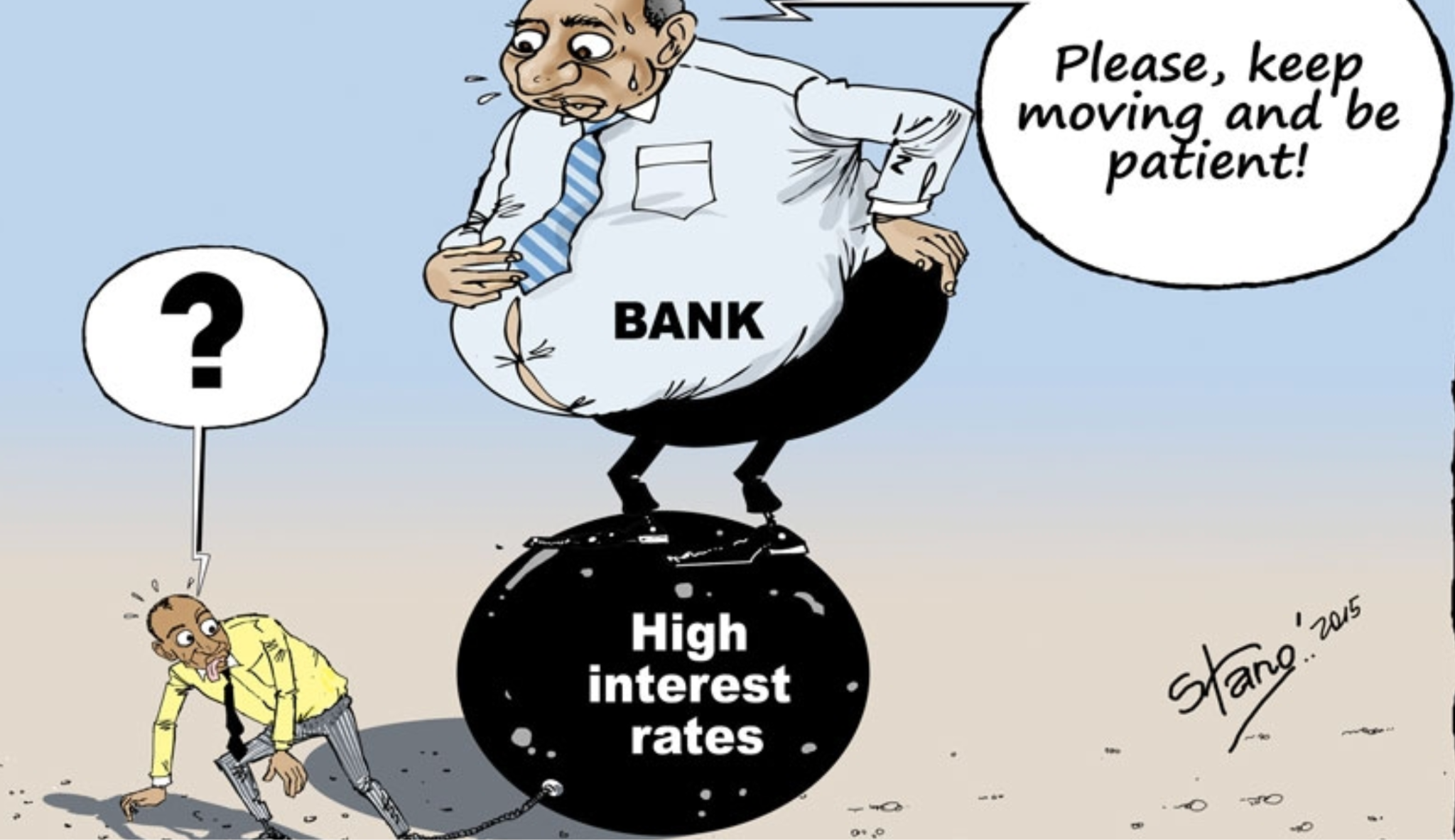
Housing absorbs a disproportionate share of household budgets. High interest rates raise mortgage, loan, and business operating costs, which then pass through to consumers. Energy prices affect transportation, production, food, and service costs.

The simplified conclusion was direct: housing costs and a weak Canadian dollar eat up income, leaving little for anything else.

04 / Stakeholders

The burden falls hardest on those with the least influence

Low- and middle-income families, youth, and young adults were identified as the most impacted and lowest influence groups. Their reduced access affects cultural exposure, family bonding, skill development, identity expression, networking, and mental health.

Businesses in tourism, arts, entertainment, food, accommodation, and retail are also affected when consumers cut discretionary spending. Financial institutions face credit risk as household and small-business strain rises.

Government has the most influence but lower direct impact. Its needs include social investment, economic data and transparency, monetary policy solutions, and increased housing supply.

05 / Findings

Affordability narrows life choices now and weakens resilience later

Low-income households spend a smaller share of their budget on recreation than higher-income households. Many Canadians not planning to travel cite not wanting to spend money as the main barrier.

Young adults face high housing costs and daily expenses that reduce leisure access. Affordability concerns influence major life decisions, including where to live and whether to have children. Youth hopefulness has also declined compared with previous years.

The research connects these findings to needs: affordable community programs, creative outlets, mental health support, restorative experiences, subsidized education, disposable income, and longer-term financial security.

06 / Consequence

Today’s cracks extend into larger cracks ahead

If nothing changes, individual strain becomes a wider system issue. Less access to learning, restoration, social connection, and creative expression can reduce productivity, innovation, and long-term economic output.

Mental health pressure increases demand on healthcare and support systems. Lower well-being can weaken trust in institutions and society.

The project ends with a strategic question: do we wait for the world to settle its uncertainties, or fix what we can control?

Stakeholders and needs

Stakeholder roles, impact, and influence
GroupRoleImpactInfluence
Low- and middle-income familiesVulnerable populationhighlow
Youth and young adultsVulnerable populationhighlow
Businesses: tourism, arts, entertainment, retailMarket stakeholdersmediummedium
Financial institutionsCapital and risk stakeholdersmediumhigh
Government: federal, provincial, municipalPolicy stakeholderslowhigh

Vulnerable populations

Priority: high

  • Affordable community programs
  • Long-term financial security / disposable income
  • Subsidized education and training
  • Accessible creative pursuits
  • Mental health and restorative experiences

Businesses

Priority: enabling

  • Stimulated consumer spending
  • Economic stability
  • Support for innovation
  • Strategic planning and agility

Financial institutions

Priority: enabling

  • Resilient financial consumers
  • Effective risk management
  • Clear regulatory expectations
  • Policies that ease household debt

Government

Priority: system

  • Social investment
  • Economic data and transparency
  • Monetary policy solutions
  • Increased housing supply

The process

Scope

Define affordability as access to fulfillment

The work began by bounding the issue around travel, creative pursuits, enjoyable activities, social engagement, and learning experiences rather than treating affordability only as access to necessities.

Context

Identify the forces weakening purchasing power

The research traced housing pressure, interest rates, energy costs, price stickiness, and post-pandemic economic effects as overlapping drivers that absorb income and raise the cost of participation.

Map

Separate impact from influence

Stakeholders were mapped by how much they are affected and how much power they hold: vulnerable populations carry the burden, while government, financial institutions, and businesses shape the conditions.

Find

Turn research into stakeholder needs

Findings were translated into needs such as affordable community programs, mental health support, restorative experiences, stimulated consumer spending, risk management, and housing supply.

Frame

Name the consequence of doing nothing

The final frame connected personal loss to system strain: reduced productivity, strained services, declining trust, and larger cracks in social and economic resilience.

Project visuals

Takeaways

Vulnerable groups

Low- and middle-income families, youth, and young adults face the highest impact and lowest influence.

Pressure drivers

Housing, interest rates, energy costs, and price stickiness weaken purchasing power from multiple directions.

Lost access

Travel, creative pursuits, entertainment, social engagement, and learning become harder to reach.

System risk

Individual stress compounds into lower productivity, higher service demand, and weaker social trust.